
Artwork Help & Print Tips, Wedding, Wedding Inspiration, Wedding Tips & Tricks
Foil Printing Explained: Digital Foiling vs. Block Foiling
A little shimmer goes a long way in making a lasting impression. At Printed.com, we’ve spent over a decade perfecting the art of foil printing, blending cutting-edge modern techniques with a deep-rooted love for traditional craftsmanship. Whether you’re adding gold foil highlights to bespoke Wedding Invitations or creating a Greeting Card range that truly shines, a metallic finish instantly elevates any design.
But what is foiling in printing, and which method is right for you? The foiling process can be achieved through two distinct techniques: block foiling and digital foiling. In this post, we’ll break down both processes in detail, helping you decide which one will bring the perfect touch of luxury to your next project.
Table of Contents
Where is best to use foil printing?
Is foiling right for your project?
Where is best to use foil printing?
Whether you choose digital or block, the foiling process is the ultimate way to bring an air of prestige to your project. Traditionally associated with heavy leather-bound books and gold-embossed Invitations, today’s foiling is more versatile than ever. Use it to elevate luxury Brochures, award Certificates, or high-end Business Stationery. It’s the perfect choice for those “extra special” announcements where you want to leave a lasting impression.
Is foiling right for your project?
If you’re working on a short-run job like Wedding Stationery, personalised Greeting Cards, or a fresh batch of Business Cards, Printed.com foiling offers a quick and stunning solution. While adding a metallic finish does involve an extra step in production, it is one of the most effective ways to increase the perceived value of your print. It transforms a standard design into a tactile experience that customers and clients will want to keep.
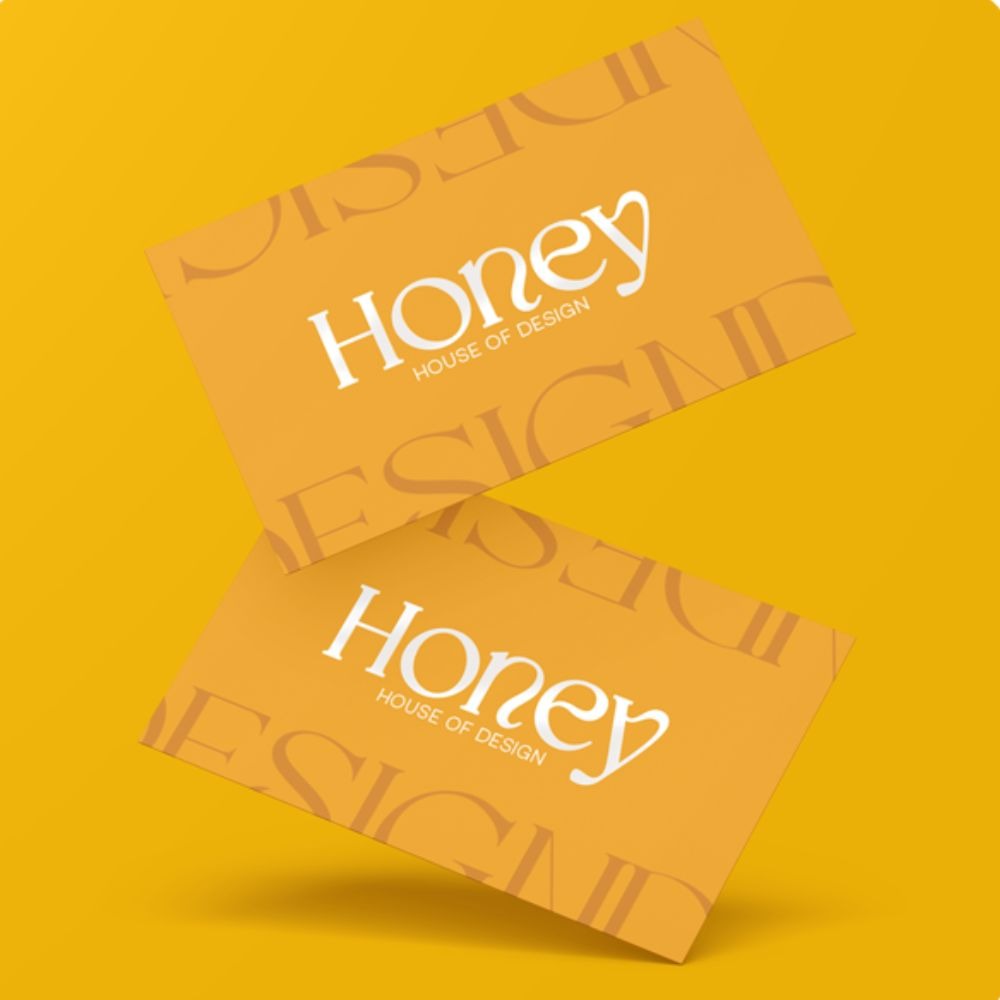
White Pearl Foil Business Cards
Traditional block foiling
Traditional foil blocking (or hot foil stamping) involves applying metallic foil to paper or card, using heated plates (or die). This leaves your foiled elements slightly debossed and textured – as the foil is hot pressed onto your card or paper stock. This process works best on uncoated, thicker paper stocks.
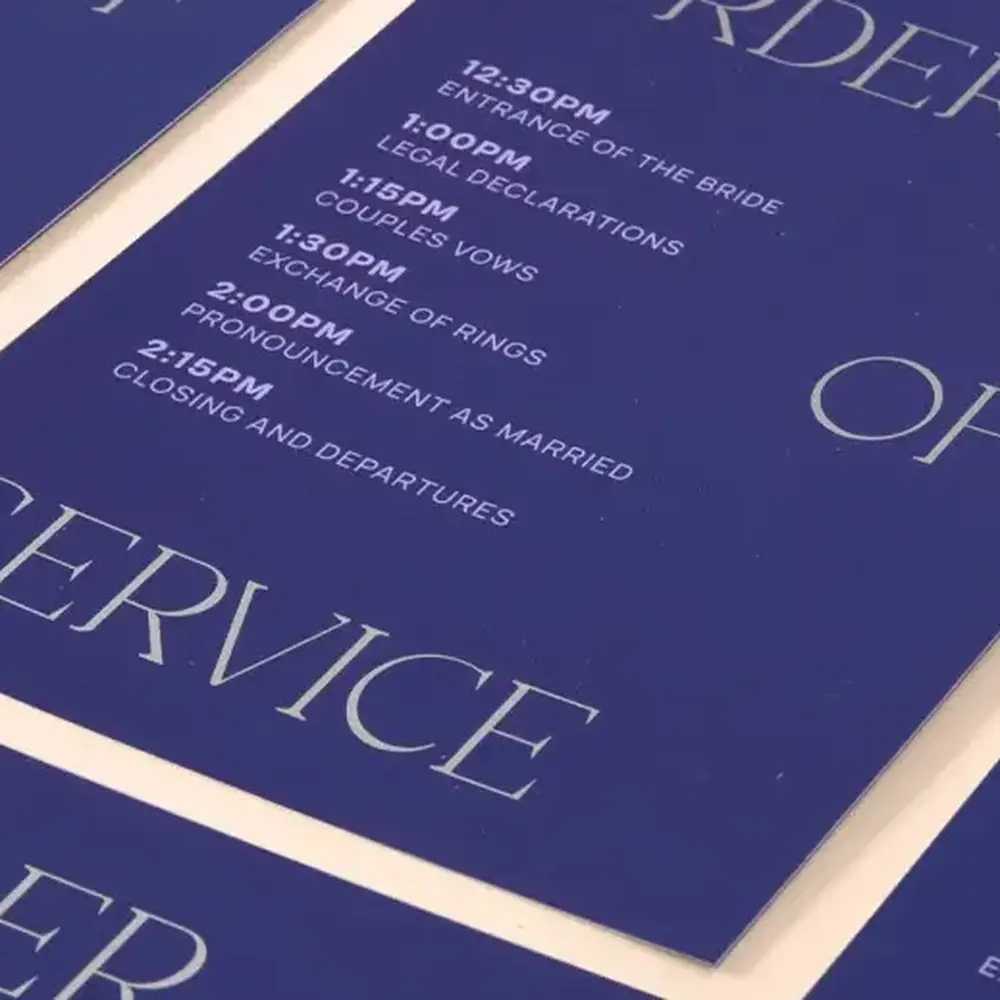
Silver Foil Wedding Order of Service
What designs can you print with traditional foiling?
Block foiling is a great choice when you want a polished, professional finish that leaves a lasting impression. It’s perfect for Wedding Stationery, Cards & Invitations, or branding materials for luxury businesses.
If you’re looking for versatility, traditional hot press foiling is a fantastic option, it can handle almost any design. For smaller, detailed elements like fine serif fonts, we recommend traditional methods for the best precision.
Traditional foiling: What are the pros and cons?
The Pros
- Tactile luxury: This method pairs beautifully with textured paper, creating a gorgeous tactile finish with a luxurious feel.
- Exceptional durability: The brilliant finish is long-lasting right off the press, staying pristine over time without needing extra protective lamination.
- Flawless precision: Block foiling brings intricate patterns and detailed artwork to life with incredible sharpness and clarity.
The Cons
- Slightly longer turnaround: As it involves a more complex process, traditional foiling requires a slightly longer lead time than digital methods.
- Upfront setup costs: A custom metal die is crafted for your design, leading to a higher initial cost. But don’t worry, we store these dies for you, so you won’t pay this fee again on repeat orders.
- Volume matters: To offset the initial die creation and get the best value, this method is better suited for larger print runs.
So what about digital foiling?
Unlike traditional foil blocking, digital foiling doesn’t require the use of plates – it’s printed directly from a file on the computer. This means that there are no set up costs, making it ideal for short runs and smaller orders.
Digitally printed foil results in a beautifully sleek and flat finish, sitting flush with the card without any of the texture or debossing you might see with traditional methods.
To create this flawless look and protect your print, we finish all of our digitally foiled products with a luxurious, hard-wearing Velvet Lamination. This gives your print a durable, scuff-resistant coating that feels wonderfully soft to the touch.
When you place your order, you have a little flexibility with the lamination, but we want to make the foiling options completely clear so you know exactly what to expect:
- Lamination can be one or two-sided: You are very welcome to choose Velvet Lamination for just the front, or you can have it applied to both sides of your print for an all over premium feel.
- Digital foiling is single-sided only: While your lamination can be double-sided, the digital foil itself can only be applied to one side of your product.
- The golden rule: Because of how the digital foiling process works, whichever side you choose to add your shiny foil highlights to must be Velvet Laminated.
This process works wonderfully for bold text or larger areas that need foiling, delivering eye-catching results with ease. Just keep in mind that digital foiling is best suited to font sizes of 7pt or larger.
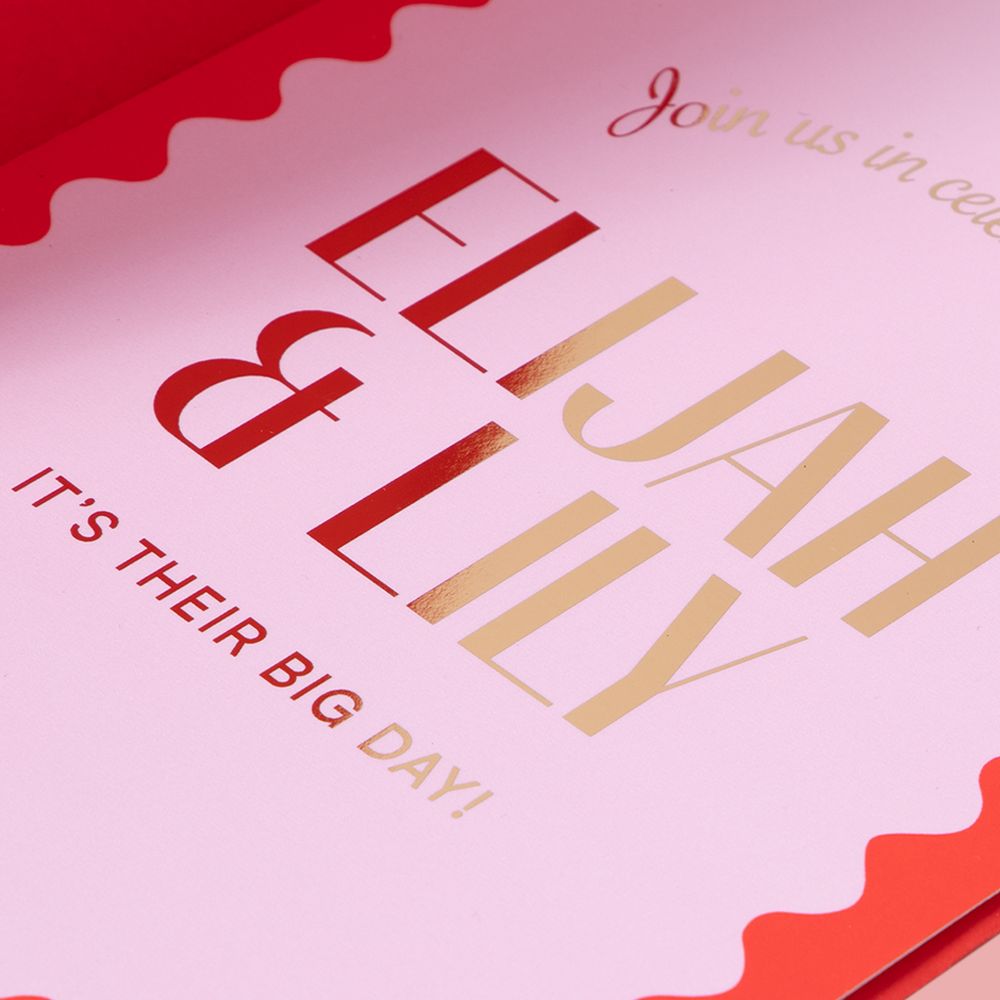
Gold Foil Wedding Invitations
What designs can you print with digital foiling?
Digital foiling is a fantastic option for bold designs or projects with larger areas that require foiling. It’s a go-to choice for adding metallic touches to Business Cards, Postcards and other Stationery. Plus, since there’s no need for custom blocks, it’s ideal for tighter deadlines or smaller budgets, helping you bring your vision to life without compromising on quality.
Digital foiling is available at Printed.com in various colours, including silver, gold, rose gold, copper, red and holographic – on Silk, Uncoated and Trucard paper stocks.
For a more luxurious finish, traditional block foiling is the perfect choice and is available exclusively through our Bespoke Service. We can also offer double-sided foiling as part of this service. Simply complete our quick form and we’ll provide you with a customised quote within 24 hours.
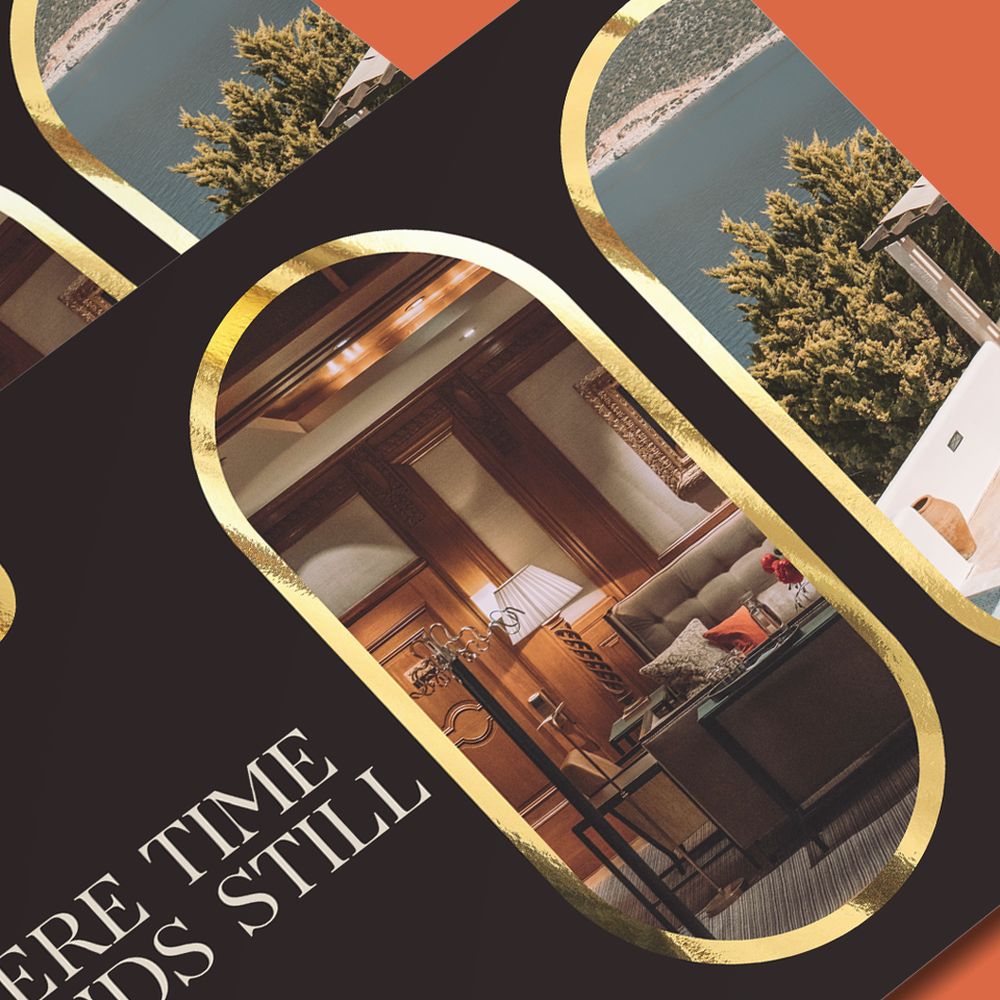
Gold Foil Leaflets & Flyers
What colours can you choose?
We provide a variety of colour options to help you achieve the perfect finish for your design. From elegant gold printing to eye-catching holographic foil, our selection offers the flexibility you need to customise your print. Available foil colours include:
- Gold – Classic and versatile, gold adds timeless elegance.
- Silver – Sleek and modern, silver is a great choice for minimalist designs.
- Copper – A warm, earthy metallic ideal for rustic or vintage aesthetics.
- Rose Gold – A trendy option with a soft, romantic appeal.
- Holographic – A playful, multi-dimensional foil for unique designs.
- Red Foil – A bold choice that brings festive cheer to your design.
- White Pearl Foil – New and unique, perfect for creating a subtle, glossy texture.
Digital foiling: What are the pros and cons?
The Pros
- No setup costs: We don’t need to create a custom die for your design, so there are no initial setup fees. This makes digital foiling a perfect choice for short print runs or one-off projects.
- Quicker turnarounds: Skipping the physical setup of traditional methods means the production process is much faster, getting your shiny prints to you sooner.
- Bold, striking designs: This process is fantastic for bringing bold text, thick lines and solid design elements to life with a brilliant metallic finish.
- Affordable luxury: With no die costs and lower minimum orders, digital foiling is a cost-effective way to add a premium feel to your work.
The Cons
- A flat finish: The foil sits flush with the card, creating a smooth result. This means you won’t get the debossed texture that comes with traditional block foiling.
- Limited fine detail: While great for bold designs, this process is less suited for extremely intricate patterns compared to the precision of a metal die.
- Paper restrictions: The process requires a smooth, laminated surface for the foil to adhere properly. This means we must apply our Velvet Lamination, and it cannot be used on textured or uncoated papers.
If you need a fast, budget-friendly way to make bold designs pop on a shorter print run, digital foiling is an absolutely brilliant choice. It gives you a gorgeous metallic shine without the traditional setup times, making premium print finishes more accessible than ever.
Getting your foiling artwork ready
Worried about the technical setup? Don’t be! Getting your artwork ready for the foiling process is as simple as providing an extra file in your PDF to show us where the magic happens. We’ve even created a handy step by step guide to walk you through the setup.
For more complex, bespoke block foiling projects, our team is available every weekday to help you find the right finish for your specific paper choice and design.
If you are still struggling our Customer Service Team is always here to help, our friendly team are available every weekday via our live chat every weekday between 9am and 5pm or you can drop them your question via an email at theteam@printed.com or give them a call during the same hours on 0800 840 1430.
So why choose a foil finish?
What is foiling in printing if not the perfect finishing touch? Beyond the shine, it’s about making your brand stand out in a crowded market. Whether you need the modern, sleek look of digital or the deep, textured debossing of traditional block foiling, adding a metallic element ensures your print isn’t just seen, it’s remembered.
Which Foiling method will you be using for your next print job? Make sure to share your foiled creations with us on social and use the hashtag #ProudlyPrinted.

About the author
When she’s not perusing the factory or planning our next product launch, you’ll find Emma doing some form of exercise. Whether it’s her favourite gym class or a walk around Northumberland with friends, she loves keeping fit!


Comments are closed.