
Tips and Advice
How to Make Prints of Your Own Art and Sell Them
Whether you’re a professional artist, or taking your first steps into making art part of your livelihood, learning how to make prints of artwork is a great way to preserve your original work while generating extra income.
In this guide, we will walk you through everything you need to know about how to make Art Prints to sell. From digitising your artwork to promotion, we’ve got you covered!
Table of contents
The Advantages of Creating and Selling Prints
Step 1: How to Digitise Your Artwork
Step 2: Edit Your Artwork Ready for Print
Step 3: Select Your Print Materials
Start Making Your Own Art Prints
The Advantages of Creating and Selling Prints
Selling prints of your original artwork can be a strategic way to reach more customers and generate steady income. While originals can still be sold, they tend to be priced higher, which makes the potential customer base much smaller. Creating prints means you can produce multiple copies of your artwork, making them more affordable and accessible.
Let’s look at the main advantages of selling artwork prints:
- Accessibility: Offering prints at a more affordable price point makes your art more accessible to art lovers and collectors with diverse budgets, ensuring they can engage with your work and enjoy their favourite pieces.
- Consistent revenue stream: Prints offer a more stable, regular income than one-off sales of original pieces.
- Scalability: Prints allow you to scale, meeting the demands of a larger audience. Art prints allow more flexibility in product offerings, such as limited edition runs, which create a sense of exclusivity while still being more accessible than originals.
- Versatility: Prints can be offered in various sizes and formats to give your customer base plenty of choice.
Step 1: How to Digitise Your Artwork
Ensuring your artwork prints are of the highest-quality begins with properly digitising your work. There are two main ways to do this:
Scanning
Use a high-quality scanner and set the resolution to at least 300 DPI (Dots Per Inch) to capture fine details. Save the file as a PDF to preserve quality and avoid compression loss. You may need to run your scan through photo editing software for minor adjustments to ensure your prints will be as true as possible to the original piece.
Scanning is the best option for most standard sized artwork.
Photographing
For large pieces, or artwork that is very textured or three-dimensional, a high-quality photograph is another good option. You will need an accurate, high-quality image, so plenty of natural light is best. Hang it on a wall and use a camera with a high megapixel count (at least 12, ideally) and a tripod to line up the shot. If you don’t have a camera, most modern smartphones should do the trick.
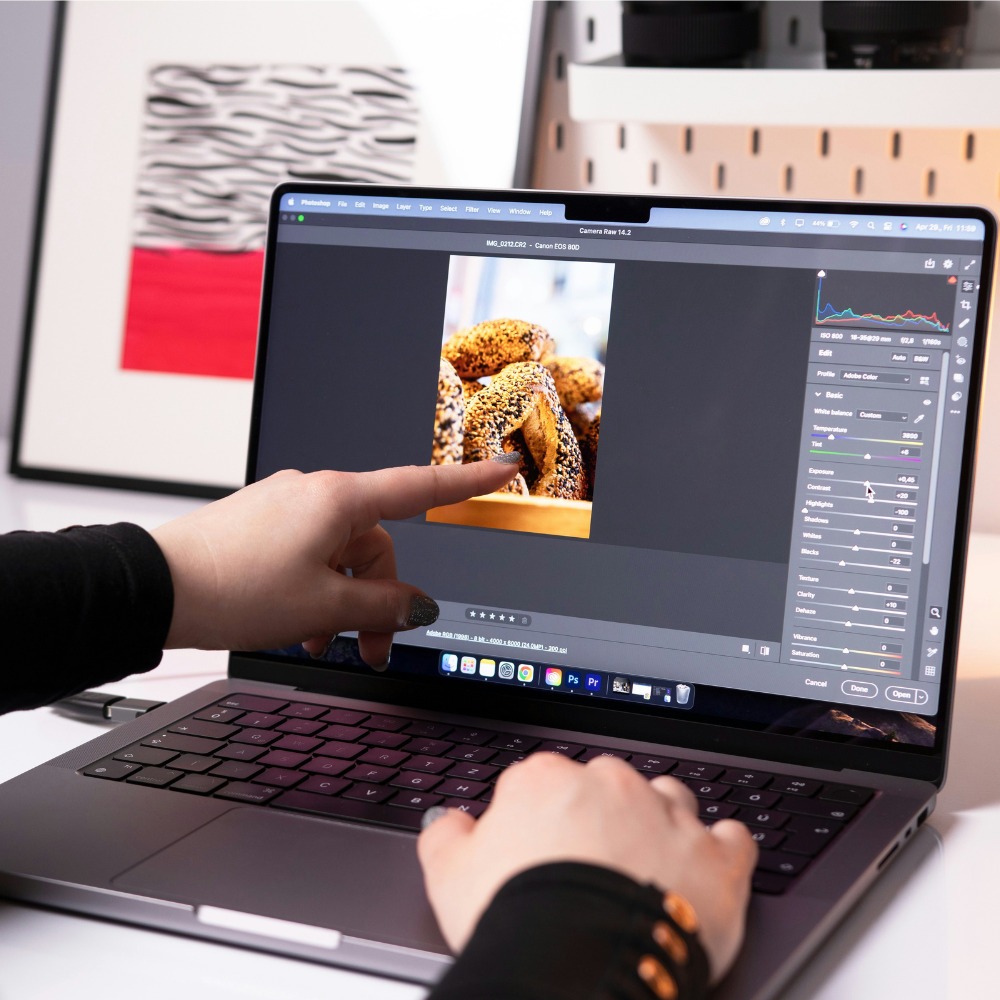
Take a few shots, then review them on a computer and fine-tune with a photo editing software.
Step 2: Edit Your Artwork Ready for Print
Preparing your file for printing ensures your prints will accurately represent your original work. On most of our product pages, you’ll find free downloadable templates available in AI, IDML and PDF formats to help you set up your artwork in the correct size and format for print. They feature information for different design softwares such as InDesign, Illustrator and Photoshop, as well as including key information for artwork set-up and how best to export your print-ready PDF.
We have plenty of guides and tutorials available to help make setting up your artwork a breeze.
If you’re editing in Canva, you can find more guidance in our video:
We also recommend checking our Bleed and Safe Area requirements before exporting. Ensure you save the file as a PDF Print and change the colour profile to CMYK for accurate results. The only exception is if you are printing Giclée Fine Art Prints or Photographic Prints.
Step 3: Select Your Print Materials
Now for the fun part – choosing your print materials! This is how your artwork truly comes to life. At Printed.com, we have an enormous range of Art Printing options available so you can showcase your art in the best possible light.
High-quality Papers
Choose from a wide range of Papers, hand-picked from the UK’s leading paper mills and distributors. From classic bestsellers like Silk to luxury and specialty options like Tintoretto Gesso and Cotton, our high-quality papers let your artwork do the talking.
Giclée Fine Art Prints
Our custom Giclée printing is perfect for artwork. We use specialist, high-quality archival papers for unrivalled vibrancy and detail. Our Giclée Fine Art Prints come in a wide range of sizes, including custom, so you can find the best way to showcase your work. Find out more about Choosing The Perfect Paper for Giclée Fine Art Prints, or Discover the Art of Giclée Printing with our guides.
Framed Prints
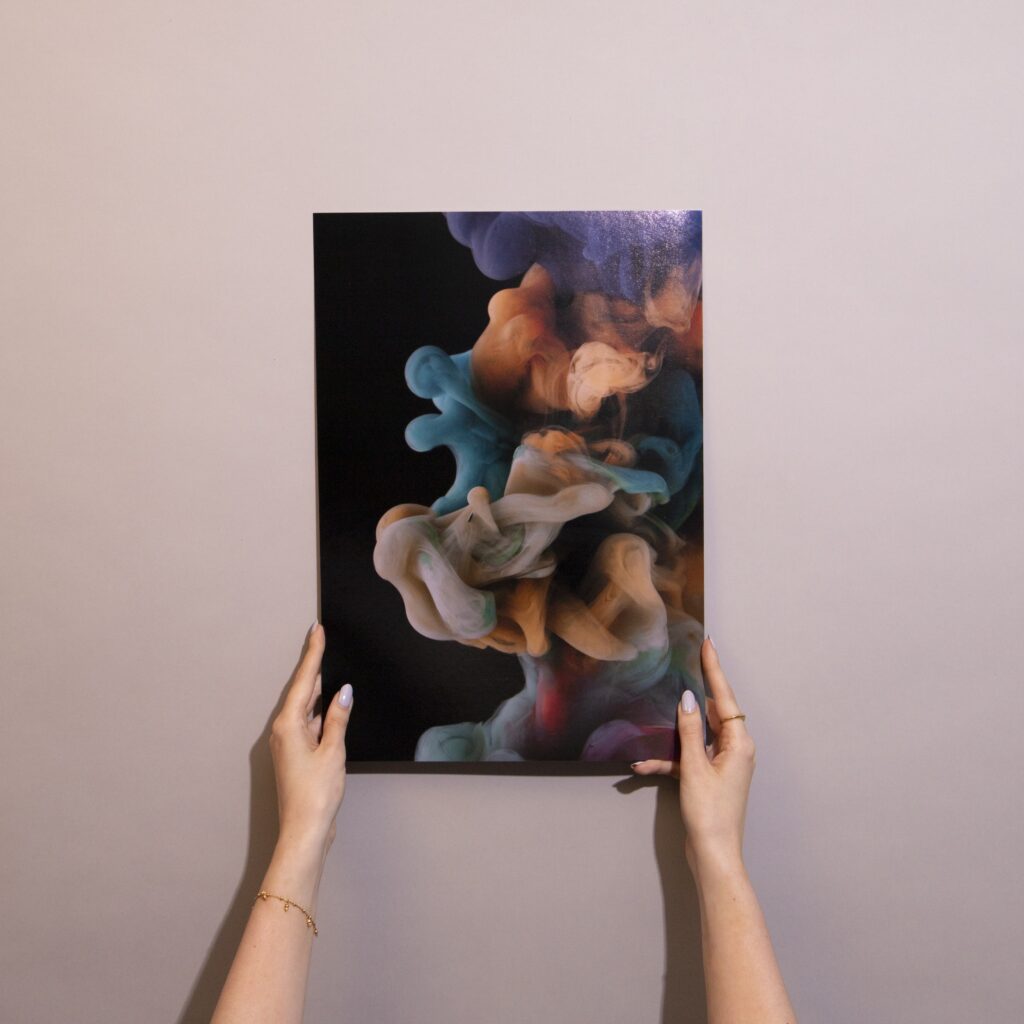
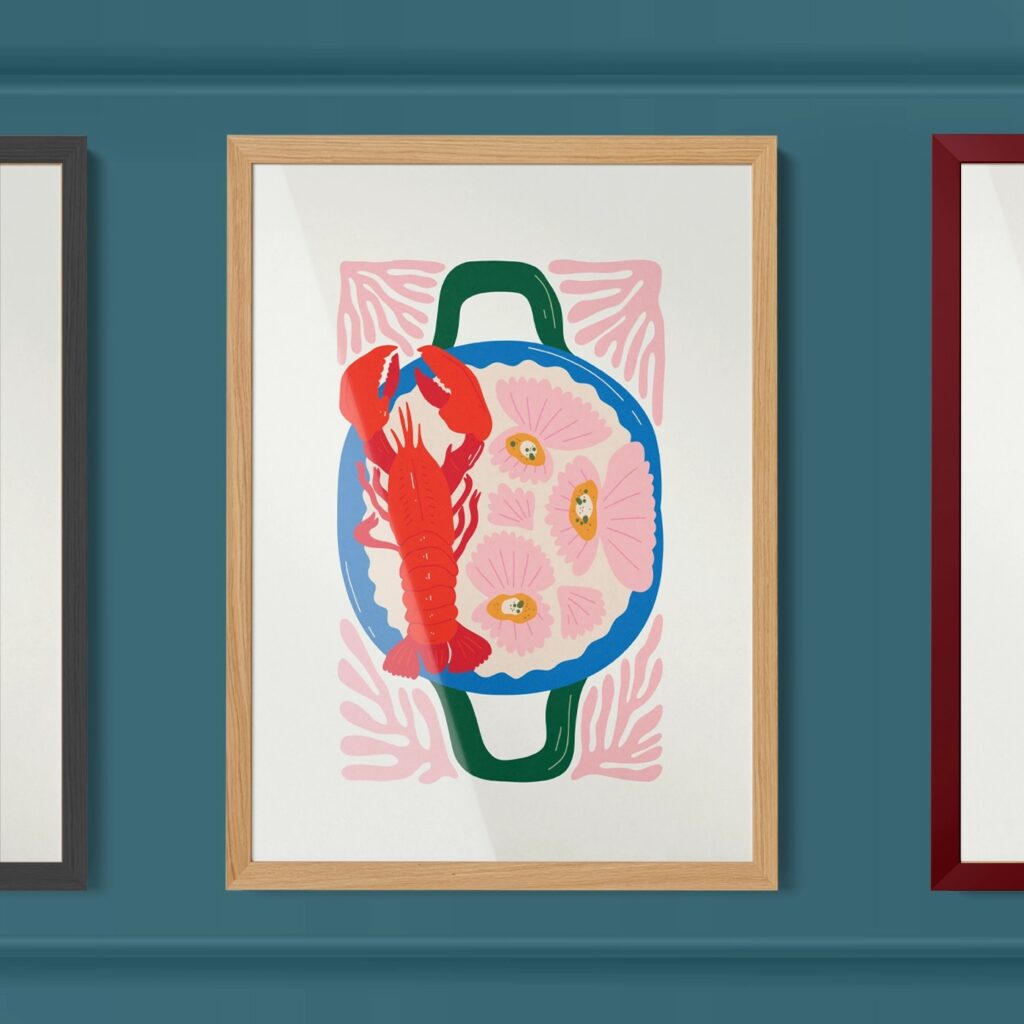
Print, frame, and ship your artwork directly to customers with our choice of custom Framed Prints. Choose from classic frame colours or opt for bold shades. We can customise your product to your exact specifications to bring your artwork to life!
Canvas Printing
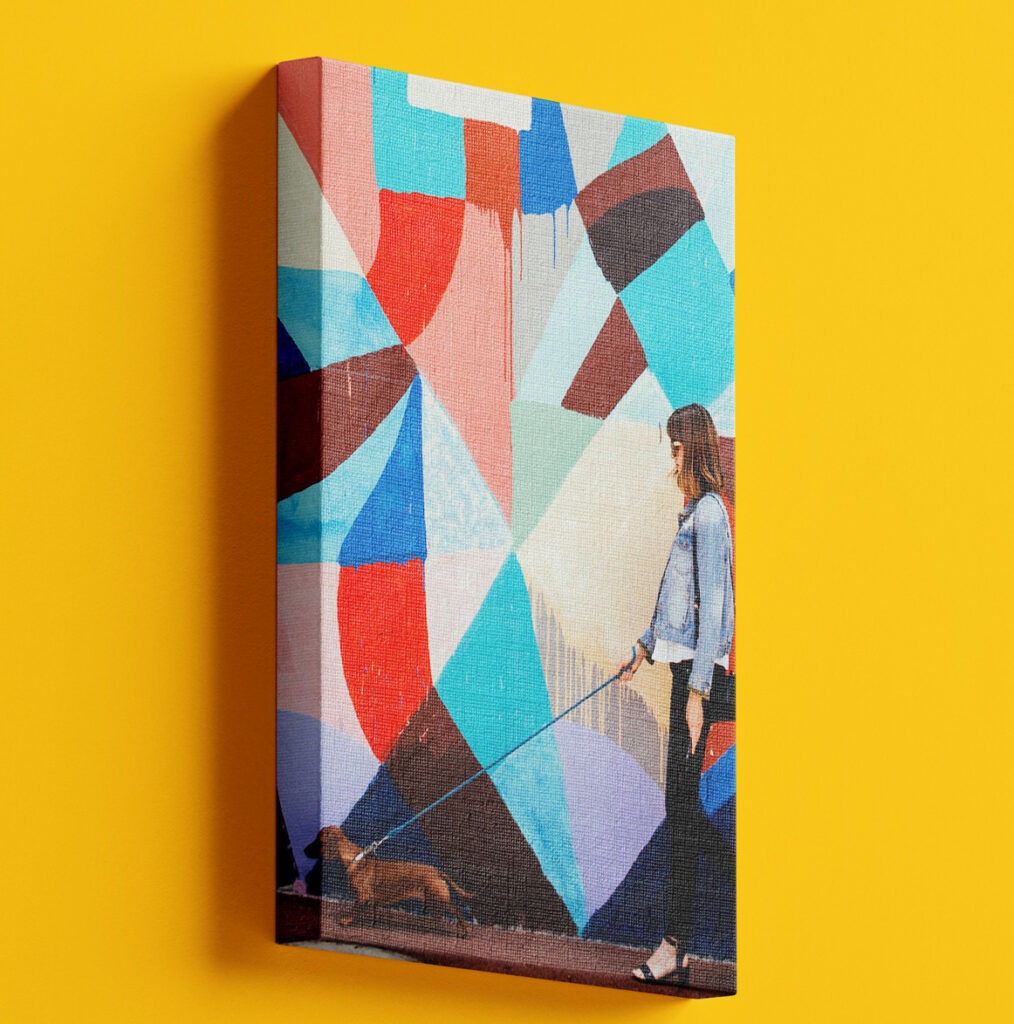
Canvas Printing is a great way to offer your art prints. Our Canvases come expertly mounted on a sturdy wooden frame, ready for display. They are perfect for gifting or adding to a gallery wall, or displaying your work in a gallery or art space.
Step 4: Pricing
Pricing your original art vs digital prints requires different approaches. Originals tend to command a higher price point, while prints can be offered more affordably. An effective pricing strategy considers production costs and market trends, without devaluing the original work.
Here are a few strategies to help you price your prints:
Cost-plus pricing
Start with your total production cost and add a markup for profit. Factor in long-term business costs like marketing and website fees, as well as determining a reasonable hourly wage for yourself.
Tiered pricing
Offering various sizes and editions of your prints at varying price points caters to a wide range of customers. More people can access your art, from budget-conscious buyers to collectors.
Formulaic pricing
A common formula for pricing digital prints:
Printing Costs + Overheads + Profit = Price.
You can always experiment with different pricing levels at first to find out what works best for you. Pricing is an artform in itself, so take time to find the best approach.
Step 5: Selling and Promotion
It’s time to set up shop! Whether you are selling your prints via a platform like Etsy or creating a custom website, prepare your store for launch. Make sure you have properly uploaded all your products, chosen a memorable name and ensured your branding and messaging aligns with your artistic vision.
Write detailed descriptions for each product. Describe the paper type and quality, sizing, and include details and stories about the original work to help customers feel connected to your art. Need any help with the finer printing details? Just give us a shout! theteam@printed.com are happy to help you.
Once your store is up and running, you’ll need to think about promoting it. There are plenty of easy ways to get your work out there, with social media being a go-to.
Online promotion
- Choose relevant platforms: Think about who your target audience is and meet them there. Use Instagram and Pinterest to share visuals of your artwork, and platforms like TikTok or YouTube to share “behind the scenes” content that makes audiences feel more connected.
- Stay engaged: Regularly engage with your followers through comments and direct messages to keep your customers interested and connected.
- Build a community: Reach out to other artists to build a supportive network and help expand your reach.
- Paid advertising: Consider using paid advertising options through platforms like Facebook and Instagram to target more specific demographics.
Remember to engage with your audience in real life, too! There are lots of ways to reach new customers and get the word out about your art in a more offline capacity.
In person promotion
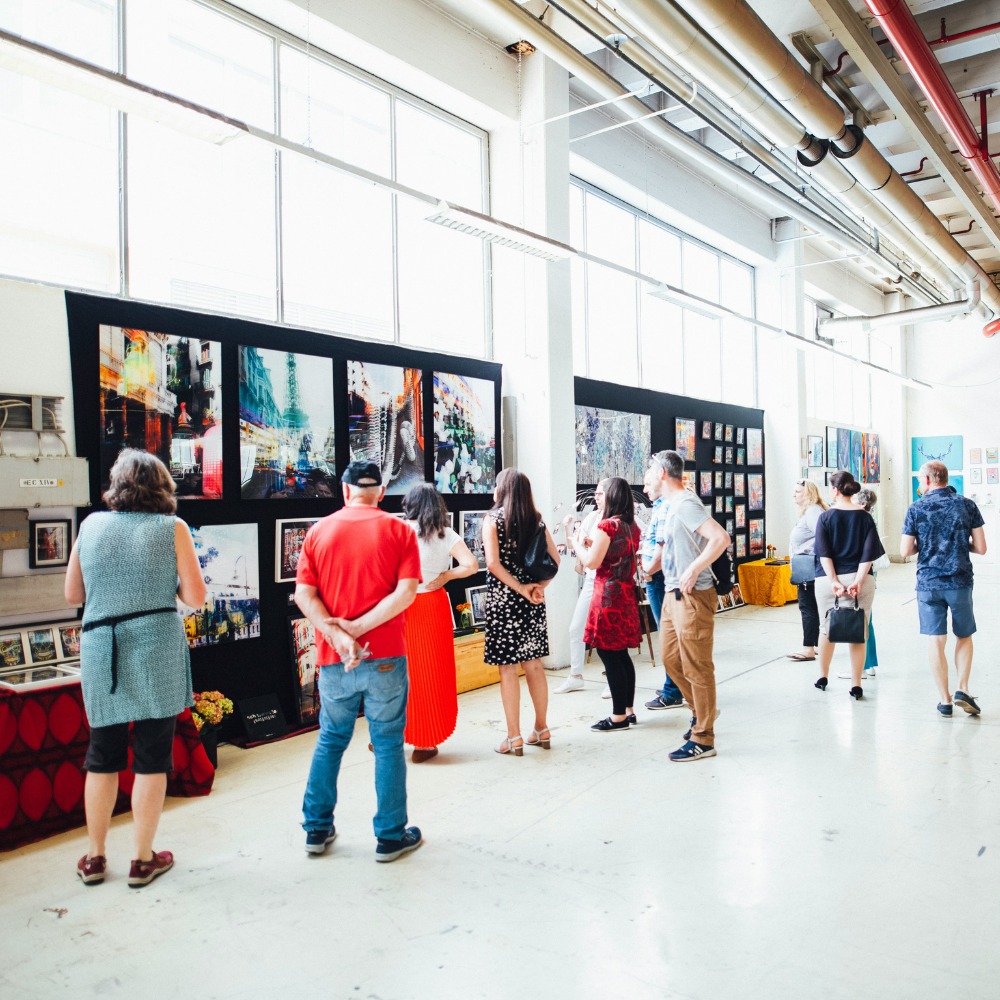
- Attend art fairs: This is a great way to showcase your work and build community with other artists and enthusiasts.
- Host a workshop or webinar: These are great opportunities to showcase your art, discuss your process, and attract potential customers.
- Collaborate with local galleries: Work with local galleries and exhibitions to sell your prints. They can help you reach a wider audience and become a credible name.
- Get involved with community art projects: Try and participate in community art initiatives and events. They are a great way to meet new people, get exposure and showcase your art in new settings.
Start Making Your Own Art Prints with Printed.com
Now you’re ready to create your own art prints, let us help you make it real! At Printed.com, our wide range of Art Printing services are designed with creatives, artists, photographers and resellers at the forefront. We’re here to help you showcase your work at its very best, with plenty of options to suit every budget.
Explore our full range of artwork printing services today or get in touch with theteam@printed.com – we’re happy to help!
Related articles
How to Sell on Etsy: Artwork and Poster Prints
About the author
When Ellie's not busy crafting content, you will find her at a gig, knitting or crocheting!


